James Hogg · 30 Years in Luxury Hospitality · Las Vegas
What the Mob Accidentally Taught Las Vegas About Experience, Desire, and Service
"Class, that's the only thing that counts in life.
Class.
Without class and style a man's a bum, he might as well be dead."
Bugsy Siegel — Founder of the Flamingo, Las Vegas, 1946
The mob didn't care about hospitality theory. They cared about keeping people comfortable, happy, and coming back. In doing so, they accidentally invented much of what the world's finest hotels now call best practice.
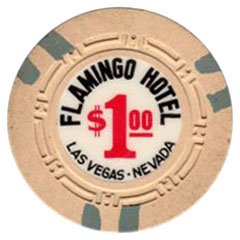
1946 – 1966 Bugsy Siegel's Flamingo changed what a casino hotel could be. The operators who followed understood something fundamental: make people feel like royalty and they'll lose their money smiling.
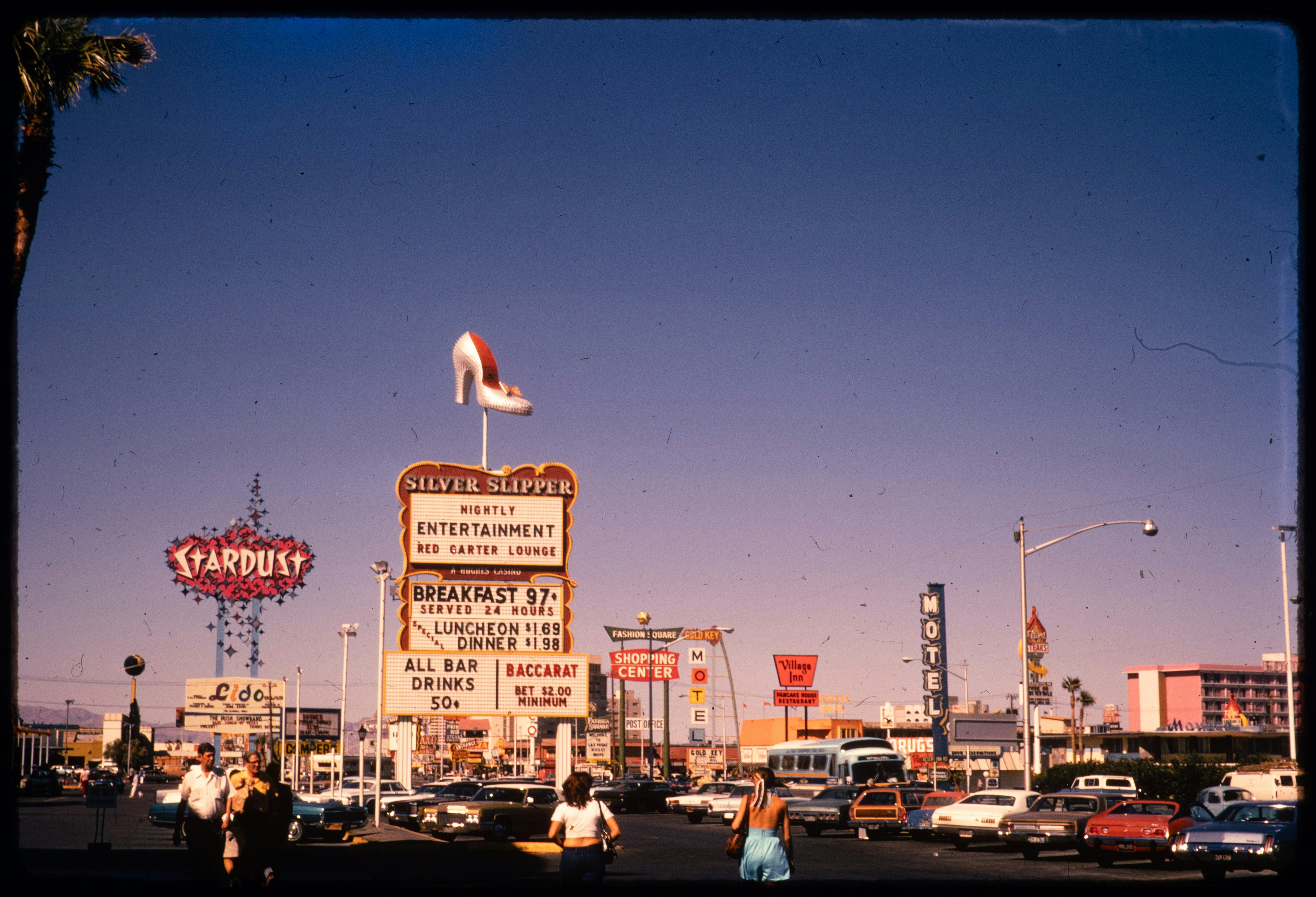
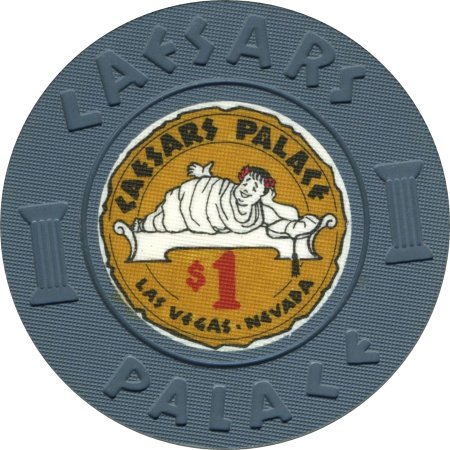
1966 – 1989 Caesars Palace opened in 1966 and raised the stakes. Total immersion. An invented world where you weren't just a guest — you were a Roman Emperor, if only for one night. Identity before Instagram.
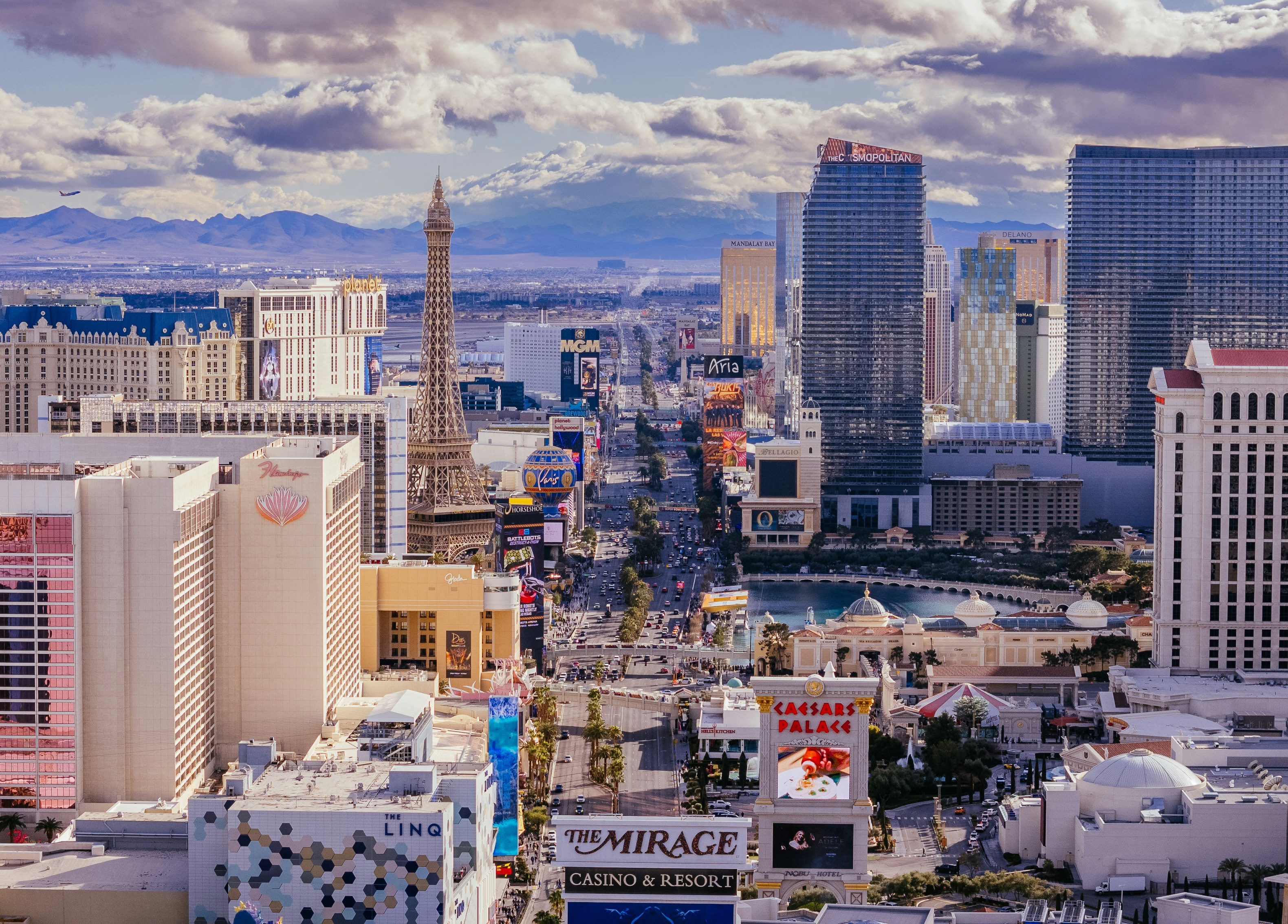
1989 – present Mirage, Bellagio, Aria. Corporate money replaced mob money, and something was lost — but something was also built. Systems. Scale. The architecture of genuine, repeatable luxury.
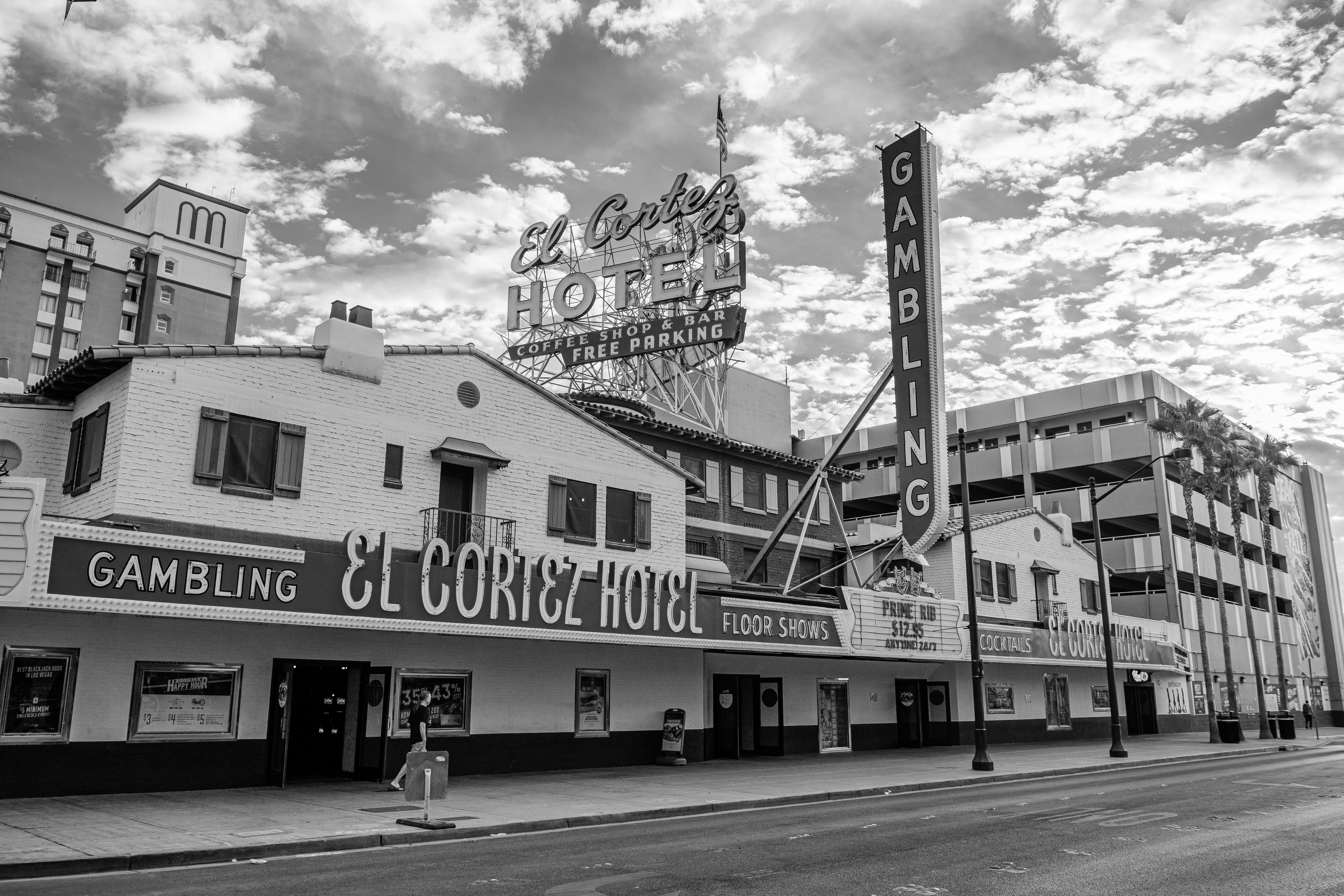
Benny Binion understood this before anyone in Las Vegas put it into a training manual. He was the first casino operator to offer comps to every gambler — not just the high rollers, but the man playing ten-cent craps at the front table. Free drinks. Free food. A two-dollar steak after midnight, made from beef raised on his own Montana ranch. Limousine service from the airport. And his philosophy, stated plainly in the way only Binion could: make the little people feel like big people.
Binion didn't have an office. He had a table in the Horseshoe's coffee shop. That was where he conducted all his business — meetings with politicians, with syndicate associates, with casino staff, and with guests. He made everyone who sat across from him feel like an old friend — whether they were a senator, a cattle rancher, or a first-time visitor who'd wandered in off Fremont Street.
Binion was not a saint. Not by a long shot. He was a convicted killer, a tax evader, and a man whose business dealings would fill a file cabinet at the FBI. But he lived what he believed. And what he believed was that the fastest way to build loyalty — and profit — was to make every person who walked through your door feel important. Not with grand gestures. With presence. With a handshake at a coffee shop booth and a steak that tasted like Texas.
Whether you work in hospitality, run a luxury business, or simply want to understand why certain places make you feel extraordinary the moment you walk through the door — this book traces that instinct from a Fremont Street booth to the five-star suites that define modern Las Vegas.
Not theory. Not textbook. Thirty years on the floor.
Chapter One · Let's End the Myths About Luxury
If you look honestly at the founding of Las Vegas, the mobster fathers who envisioned it, built it, and kept it running understood something about human behaviour that modern luxury still struggles to articulate. They wanted to separate guests from the maximum amount of money with the minimum amount of resistance — and the most brilliant tool they discovered for doing that was luxury.
Their strategy was brutally straightforward: give people such an extraordinary experience that they will happily let you reach into their pocket. And as unbelievable as it sounds, not only did this work — it created a system that ensured people returned again and again. It wasn't a con. It wasn't manipulation. It was design. They built environments so intoxicating, so frictionless, and so emotionally charged that visitors felt alive in ways they didn't feel back home.
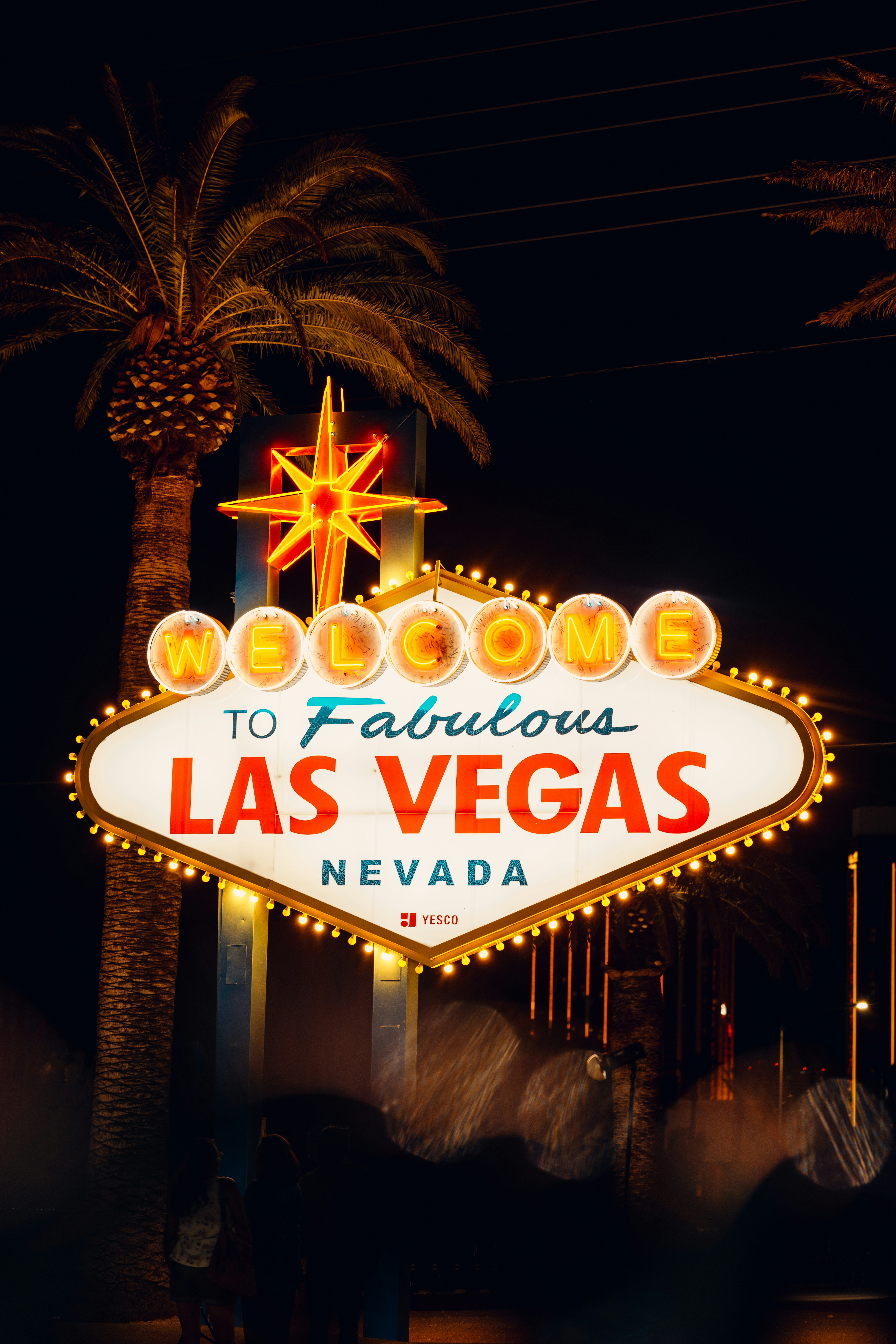
Let's strip it down to its purest truth: Las Vegas tells you openly that the house always wins. We do not hide it. We do not disguise it. We announce it in ten-foot neon letters. We tell you, straight-faced, that eventually we are going to win — all of it, if you stay long enough. And yet you come back.
That is the paradox that modern luxury brands spend billions trying to replicate: how to tell someone the truth about the transaction and have them return enthusiastically for more. Vegas solved it decades ago. It wasn't about deception. It wasn't about trickery. It was about feeling — crafting experiences so potent that the value wasn't in the win, but in the memory, the atmosphere, the identity you got to inhabit while you were here.
"Hogg doesn't write about luxury the way consultants do — he writes about it the way someone who has actually run the floor does. This is the most honest book about hospitality I've read in a decade."
Advance reader General Manager, Five Diamond Property · Las VegasThe stories the industry tells itself — and why they make it harder to build something that actually works.
What guests actually want versus what they say they want — and how the gap between the two is where great hospitality lives.
How physical space, sequencing, and sensory design produce the feeling we call luxury — before a single member of staff speaks.
The mechanics of scripted spontaneity: how the best properties deliver effortlessness through relentless operational choreography.
What separates genuine VIP programme design from status cosplay — and why most properties are confusing the two.
Las Vegas's greatest lesson: entertainment isn't an amenity. It's the emotional architecture around which everything else is built.
The difference between selling and selling the dream — and how the most successful luxury retail operations blur the line deliberately.
Why food and beverage is doing more identity work than most hotel executives realise — and how to use it intentionally.
What gaming teaches us about human decision-making, perceived value, and the psychology of the exceptional stay.
How the longest-surviving luxury brands handle the tension between heritage and relevance — and what hospitality can learn from them.
How a desert city invented hospitality models that the world's finest properties now run — often without knowing where they came from.
Thirty years distilled: the things I wish I'd understood on day one, and the mistakes that taught me everything the textbooks didn't.
The music that shaped the writing — from the Flamingo's showroom floors to the modern Strip at 2 a.m.
Las Vegas Luxury Redefined is in its final editing phase. Enter your email and I'll let you know the moment it's available — along with early access to chapter extracts before launch.
or get launch updates
No marketing. Just a launch notification.